Lack of Hand Hygiene
MOST COMMON SITES OF HEALTH CARE-ASSOCIATED INFECTION AND THE RISK FACTORS UNDERLYING THE OCCURRENCE OF INFECTIONS
- Urinary catheter
- Urinary invasive procedures
- Advanced age
- Severe underlying disease
- Urolithiasis
- Pregnancy
- Diabetes
- Mechanical ventilation
- Aspiration
- Nasogastric tube
- Central nervous system depressants
- Antibiotics and anti-acids
- Prolonged health-care facilities stay
- Malnutrition
- Advanced age
- Surgery
- Immunodeficiency
- Inadequate antibiotic prophylaxis
- Incorrect surgical skin preparation
- Inappropriate wound care
- Surgical intervention duration
- Type of wound
- Poor surgical asepsis
- Diabetes
- Nutritional state
- Immunodeficiency
- Lack of training and supervision
- Vascular catheter
- Neonatal age
- Critical care
- Severe underlying disease
- Neutropenia
- Immunodeficiency
- New invasive technologies
- Lack of training and supervision
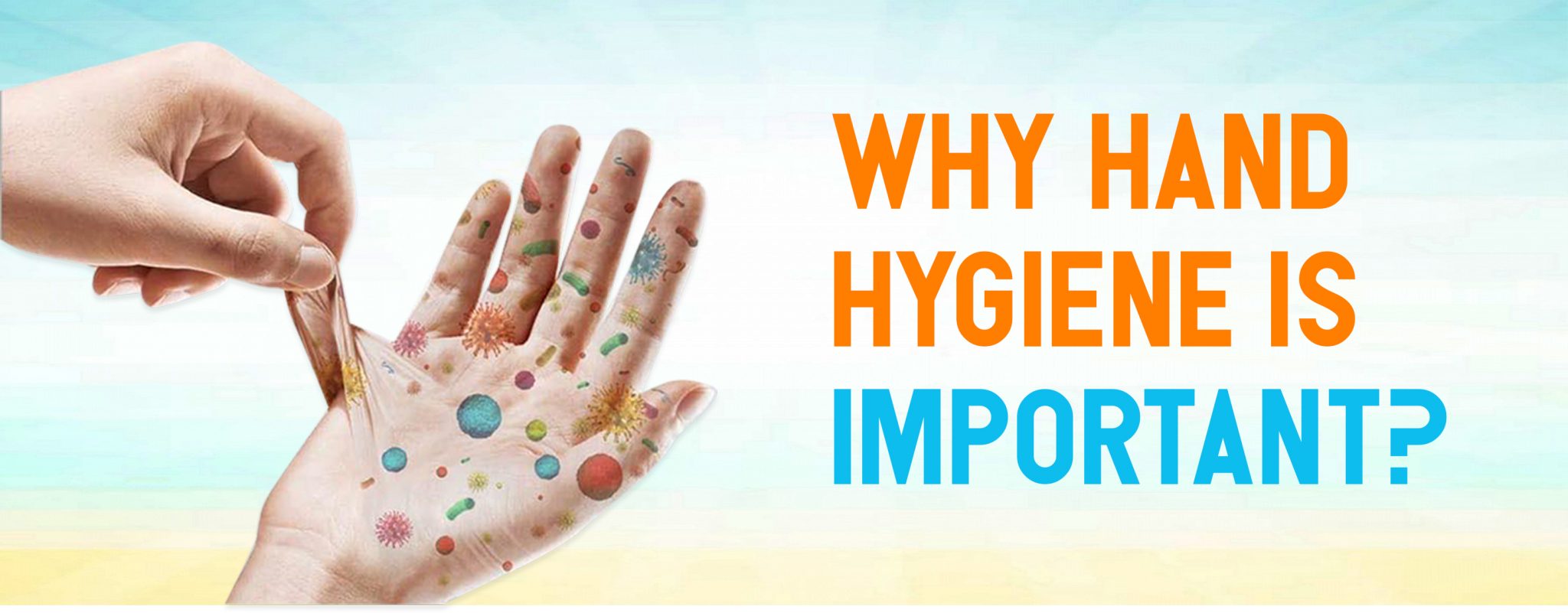
WHY HAND HYGIENE IS IMPORTANT?
- Hands are responsible for the spread of an estimated 80% of common infectious diseases.
- Hands are the most common vehicle to transmit health care-associated pathogens.
- Transmission of health care-associated pathogens from one patient to another via health-care workers.
WHEN AND HOW TO WASH YOUR HANDS
Handwashing is one of the best ways to protect yourself and your family from getting sick. Learn when and how you should wash your hands to stay healthy. Washing hands can keep you healthy and prevent the spread of respiratory and diarrheal infections from one person to the next. Germs can spread from other people or surfaces when you:
- Touch your eyes, nose, and mouth with unwashed hands
- Prepare or eat food and drinks with unwashed hands
- Touch a contaminated surface or objects
- Blow your nose, cough, or sneeze into hands and then touch other people’s hands or common objects
When to wash your hands?
You can help yourself and your loved ones stay healthy by washing your hands often, especially during these key times when you are likely to get and spread germs:
- Before, during, and after preparing food
- Before eating food
- Before and after caring for someone at home who is sick with vomiting or diarrhea
- Before and after treating a cut or wound
- After using the toilet
- After changing diapers or cleaning up a child who has used the toilet
- After blowing your nose, coughing, or sneezing
- After touching an animal, animal feed, or animal waste
- After handling pet food or pet treats
- After touching garbage
During the COVID-19 pandemic, you should also clean hands:
You can help yourself and your loved ones stay healthy by washing your hands often, especially during these key times when you are likely to get and spread germs:
- After you have been in a public place and touched an item or surface that may be frequently touched by other people, such as door handles, tables, gas pumps, shopping carts, or electronic cashier registers/screens, etc.
- Before touching your eyes, nose, or mouth because that’s how germs enter our bodies.
How to properly wash your hands?
Washing your hands is easy, and it’s one of the most effective ways to prevent the spread of germs. Clean hands can stop germs from spreading from one person to another and throughout an entire community from your home and workplace to childcare facilities and hospitals.
HAND HYGIENE STEPS RECOMMENDED BY WHO (HAND WASHING)
Duration of entire procedure: 40–60 seconds
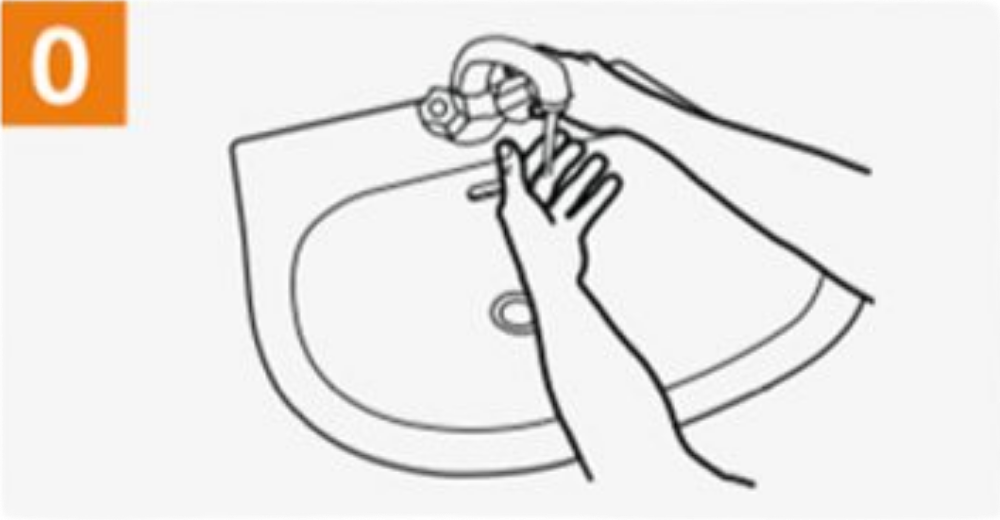
Wet Hands
Wet hands with water.
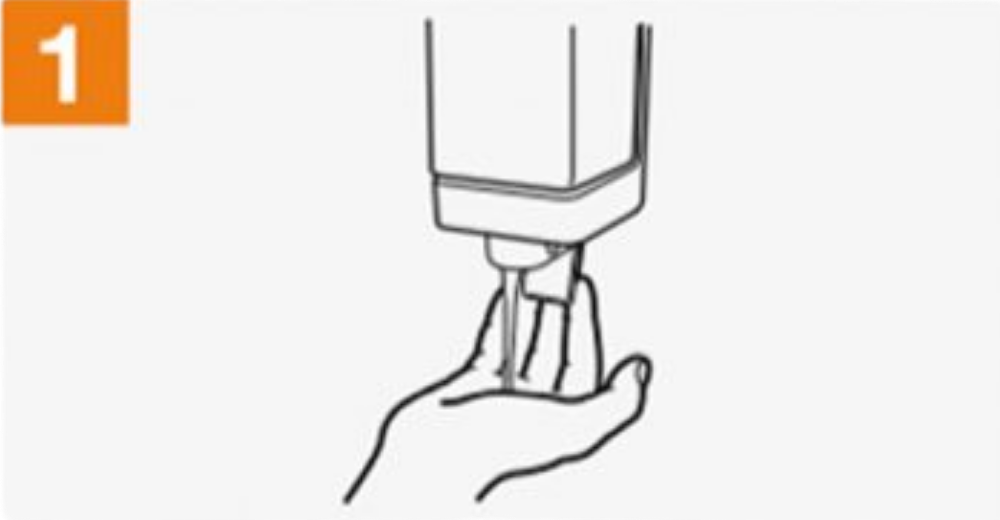
Apply Soap
Apply enough soap to cover all hand surfaces.
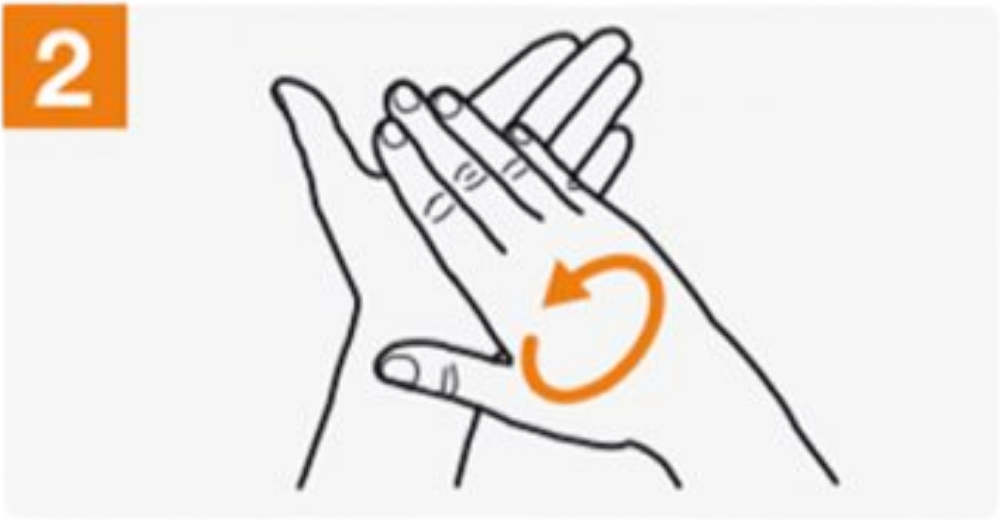
Rub Palms
Rub hands palm to palm.

Right Over Left
Right palm over left dorsum with interlaced fingers and vice versa.
Palm to Palm
Palm to palm with fingers interlaced.
Backs of Fingers
Backs of fingers to opposing palms with fingers interlocked.
Clean Thumbs
Rotational rubbing of left thumb clasped in right palm and vice versa.
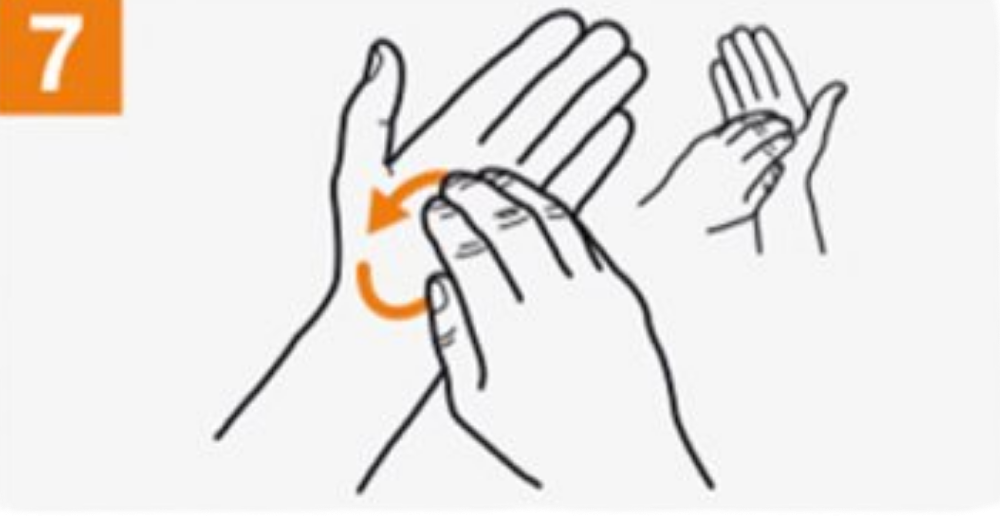
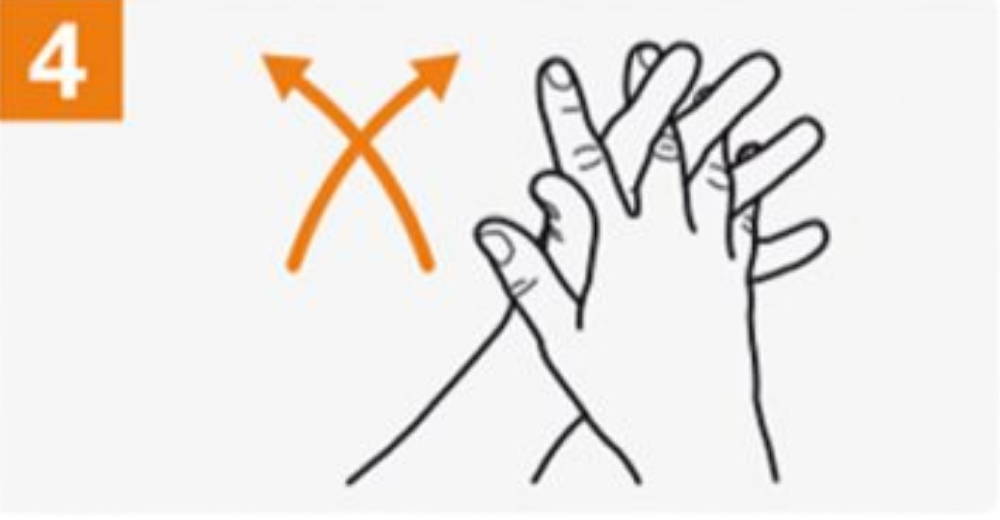
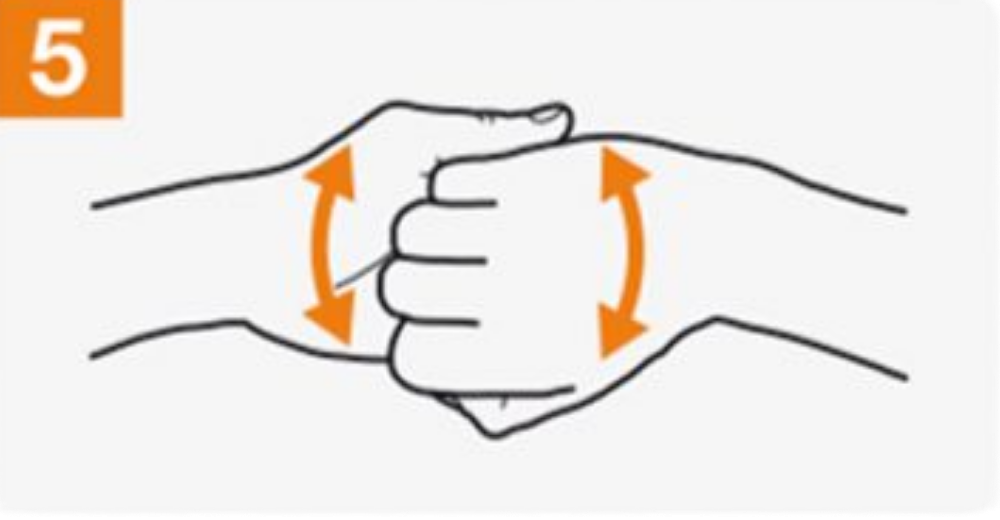
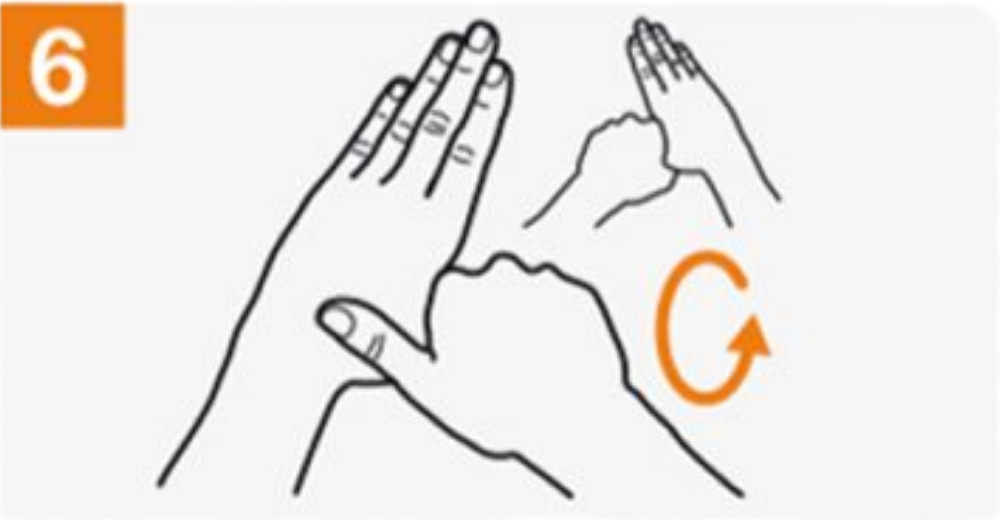
Clean Fingertips
Rotational rubbing, backwards and forwards with clasped fingers of right hand in left palm and vice versa.
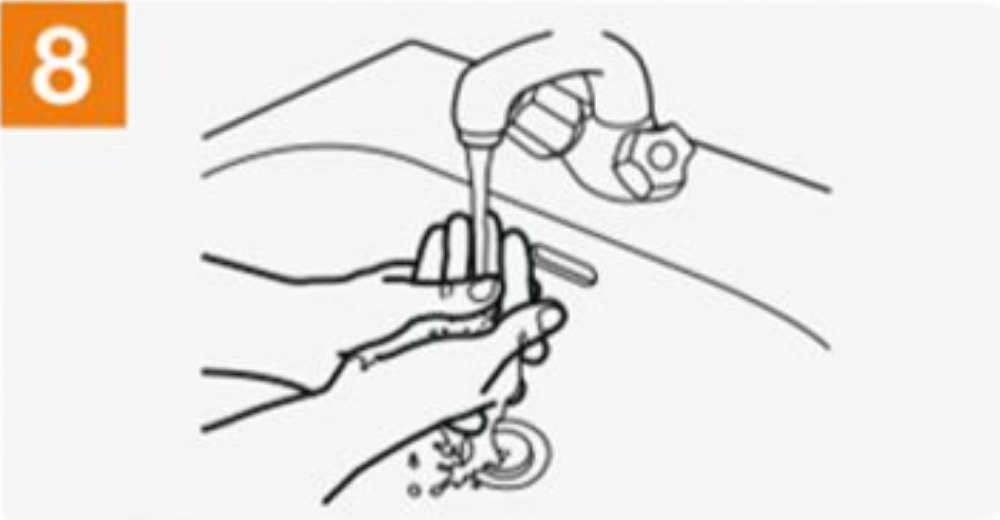
Rinse Hands
Rinse hands with water.
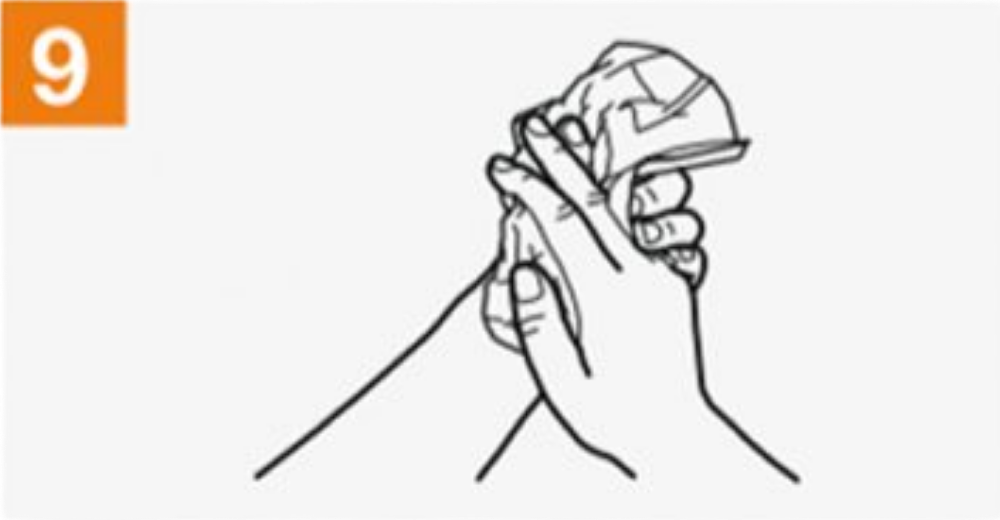
Dry Hands
Dry hands thoroughly with a single-use towel.
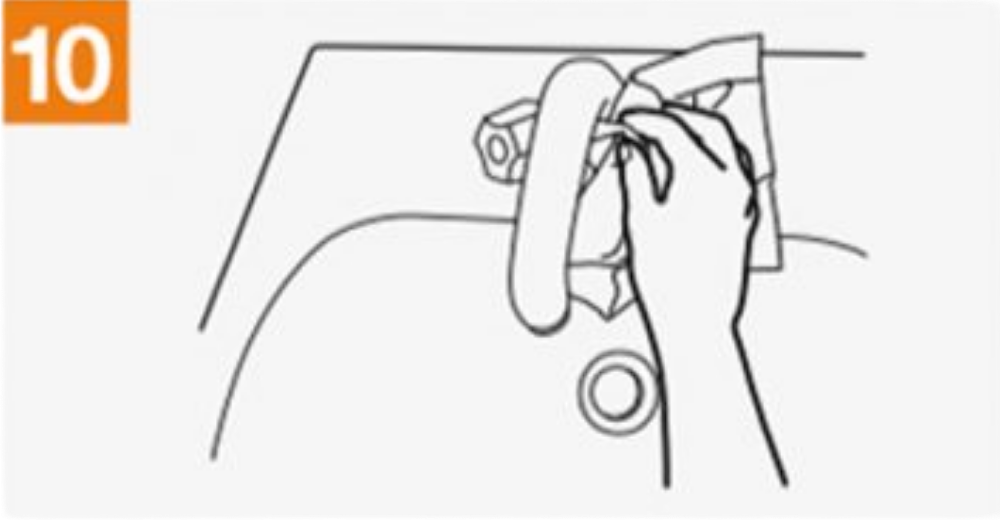
Turn Off Faucet
Use towel to turn off faucet.
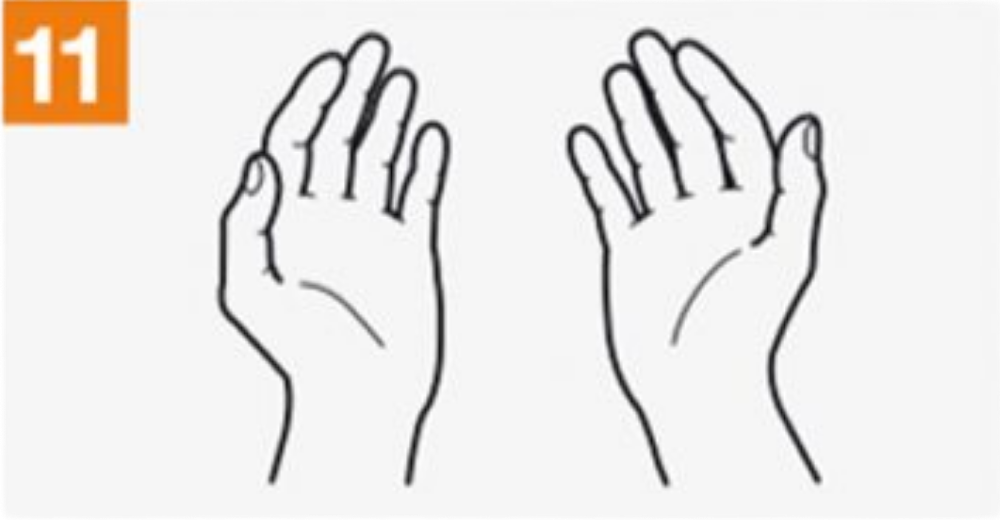
Hands Are Safe
Your hands are now safe.
WHEN AND HOW TO USE HAND SANITIZER?
If soap and water are not readily available, you can use an alcohol-based hand sanitizer that contains at least 60% alcohol. You can tell if the sanitizer contains at least 60% alcohol by looking at the product label.
HAND HYGIENE STEPS RECOMMENDED BY WHO (HAND SANITIZING)
Duration of entire procedure: 20–30 seconds
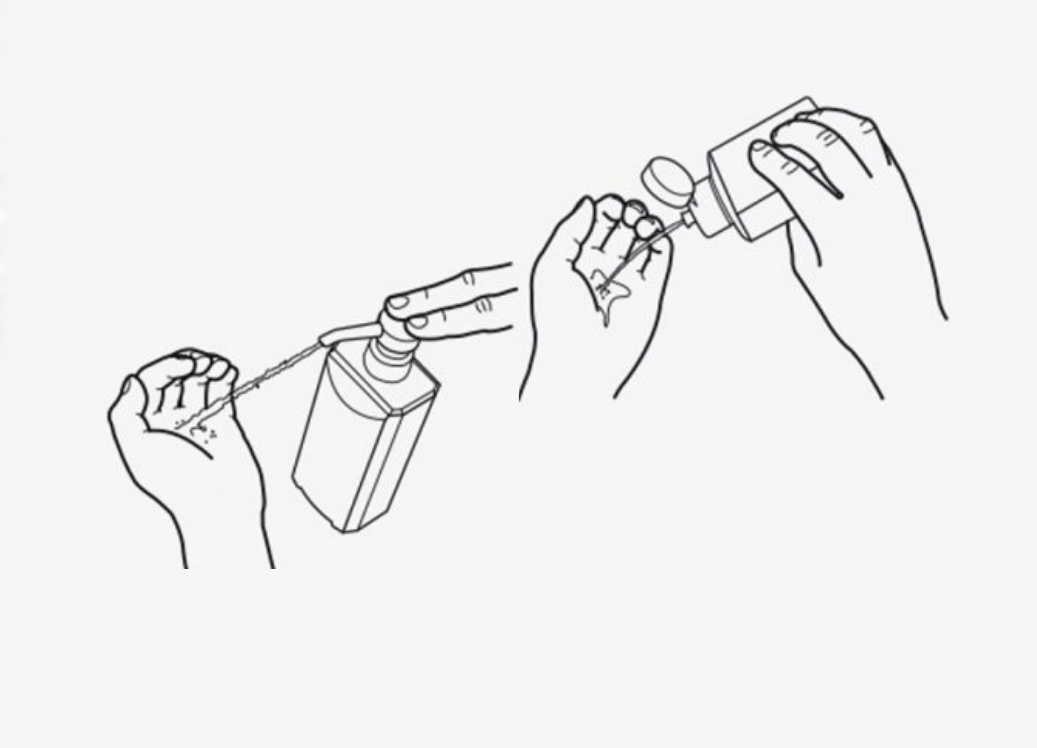
Apply Product
Apply a palmful of the product in a cupped hand, covering all surfaces.
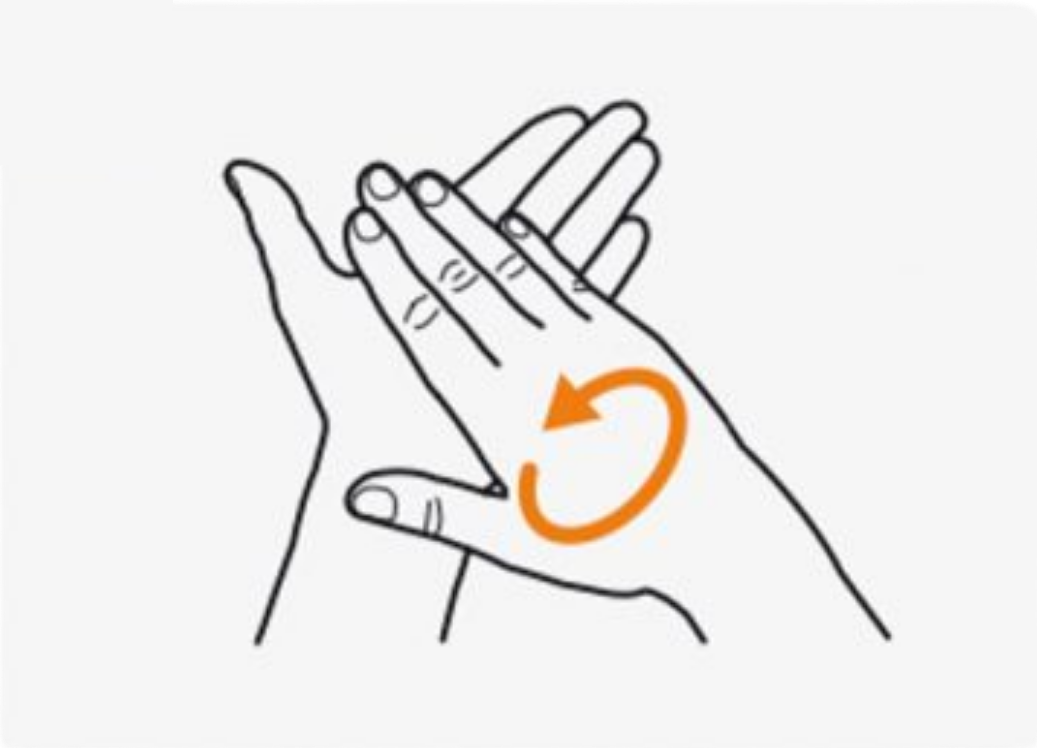
Rub Palms
Rub hands palm to palm.
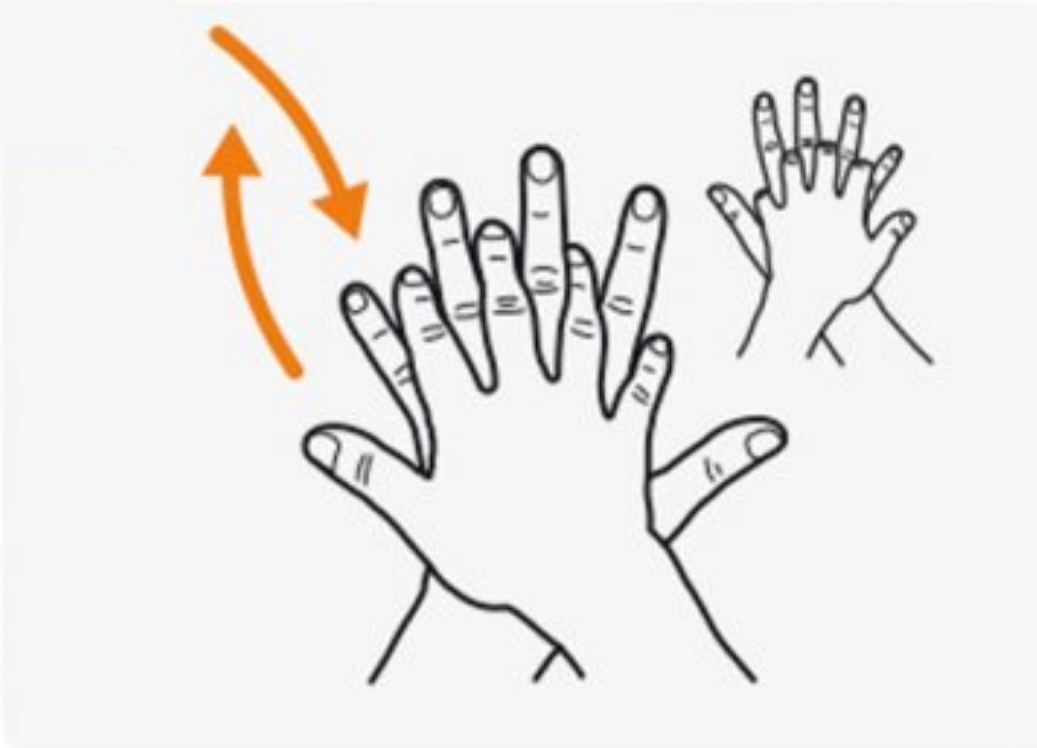
Right Over Left
Right palm over left dorsum with interlaced fingers and vice versa.
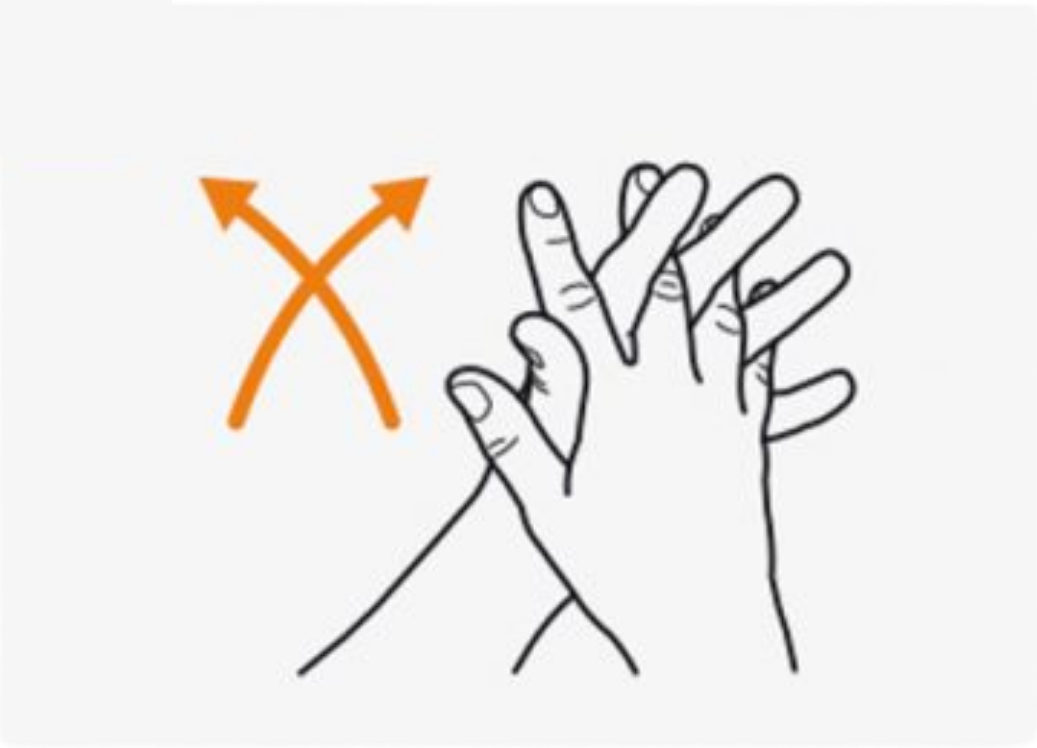
Palm to Palm
Palm to palm with fingers interlaced.
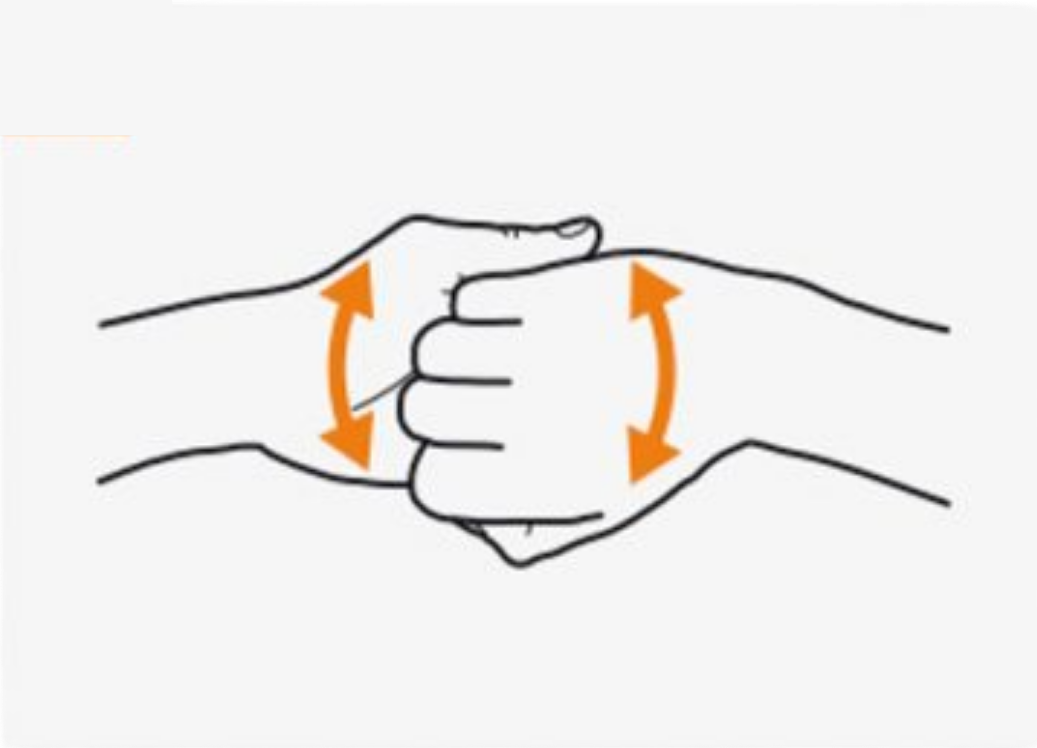
Backs of Fingers
Backs of fingers to opposing palms with fingers interlocked.
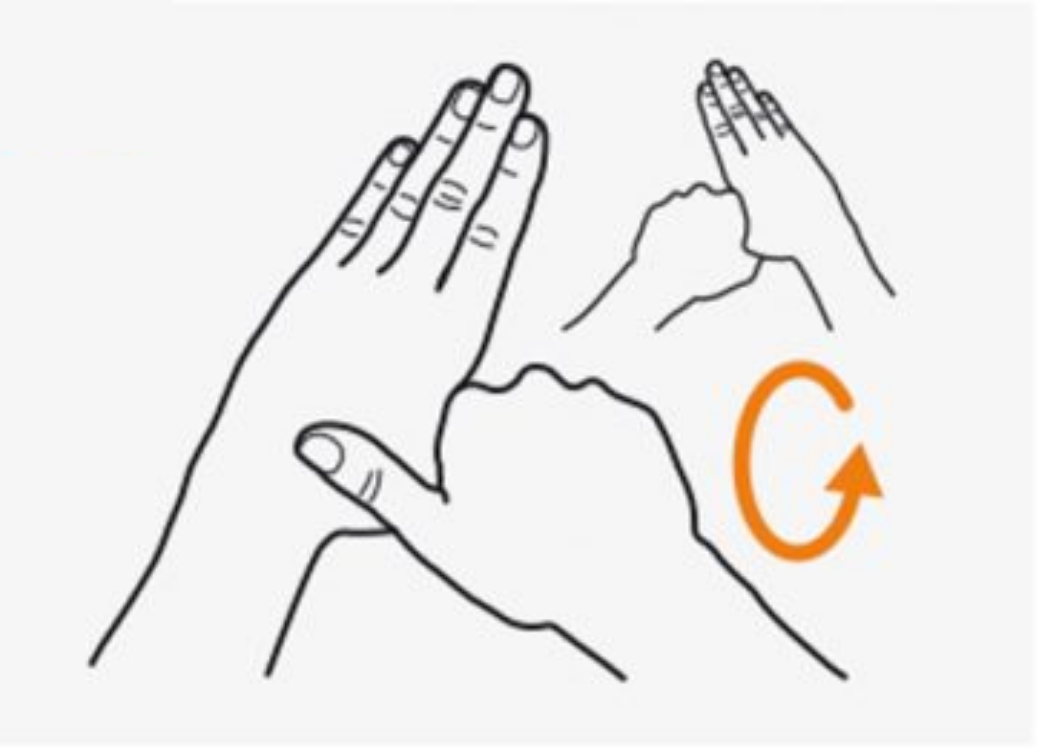
Thumbs
Rotational rubbing of left thumb clasped in right palm and vice versa.
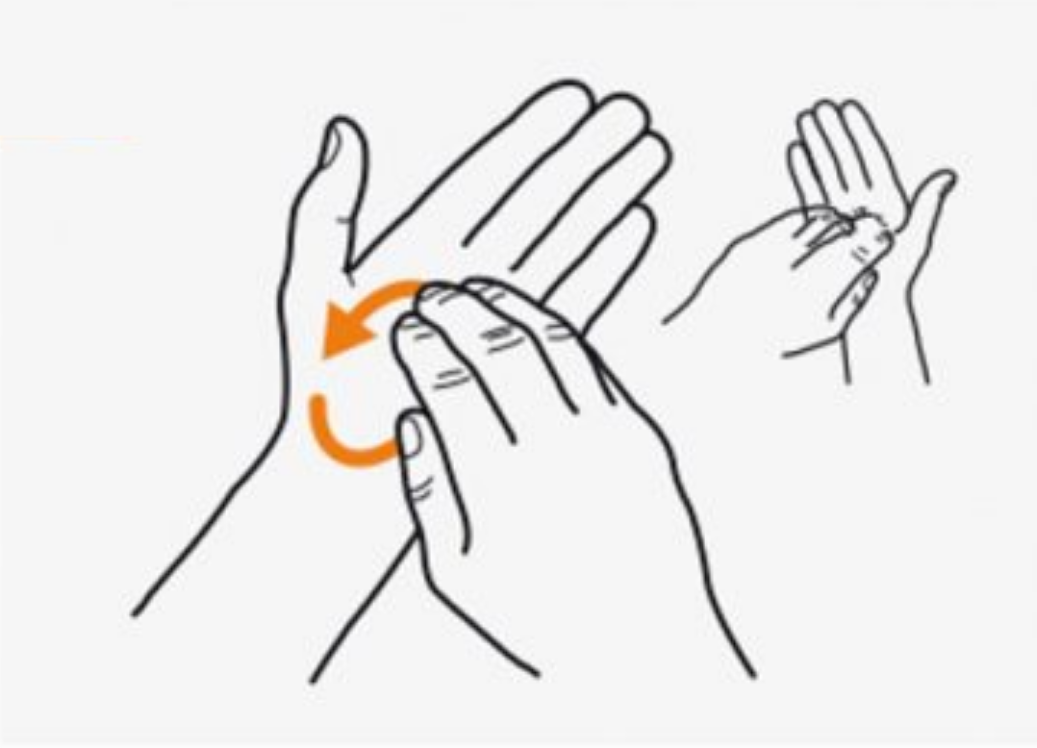
Fingertips
Rotational rubbing, backwards and forwards with clasped fingers of right hand in left palm and vice versa.
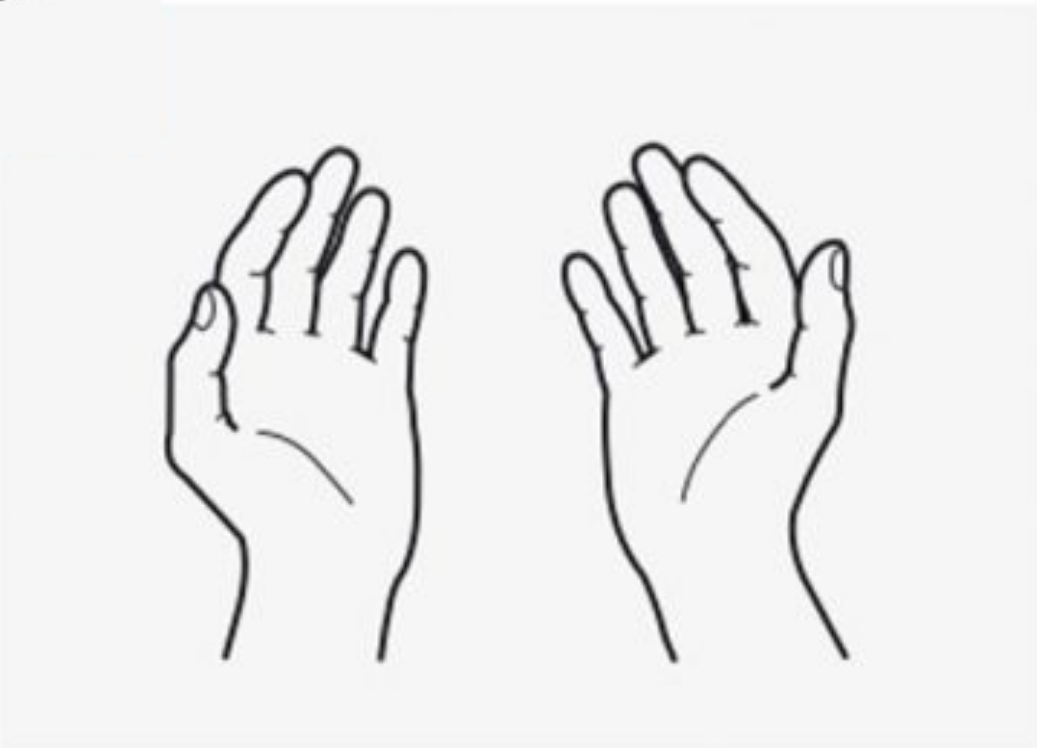
Safe Hands
Once dry, your hands are safe.
ALCOHOL-BASED HAND SANITIZER IS THE PREFERRED WAY TO CLEAN YOUR HANDS.
Alcohol-based hand sanitizer is more effective than soap and water (except during a C.difficile outbreak):
- It is less damaging to your hands than soap and water.
- It kills the bad germs that you might pick up on your hands while caring for patients. The good germs quickly grow back on your skin.
Source:
- https://www.cdc.gov/handwashing/when-how-handwashing.html
- https://www.cdc.gov/handhygiene/campaign/media.html
- https://cdn.who.int/media/docs/default-source/documents/health-topics/hand-hygiene-why-how-and-when-brochure.pdf